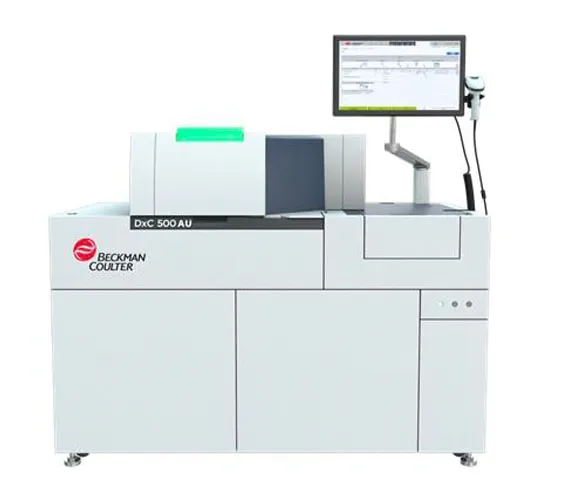
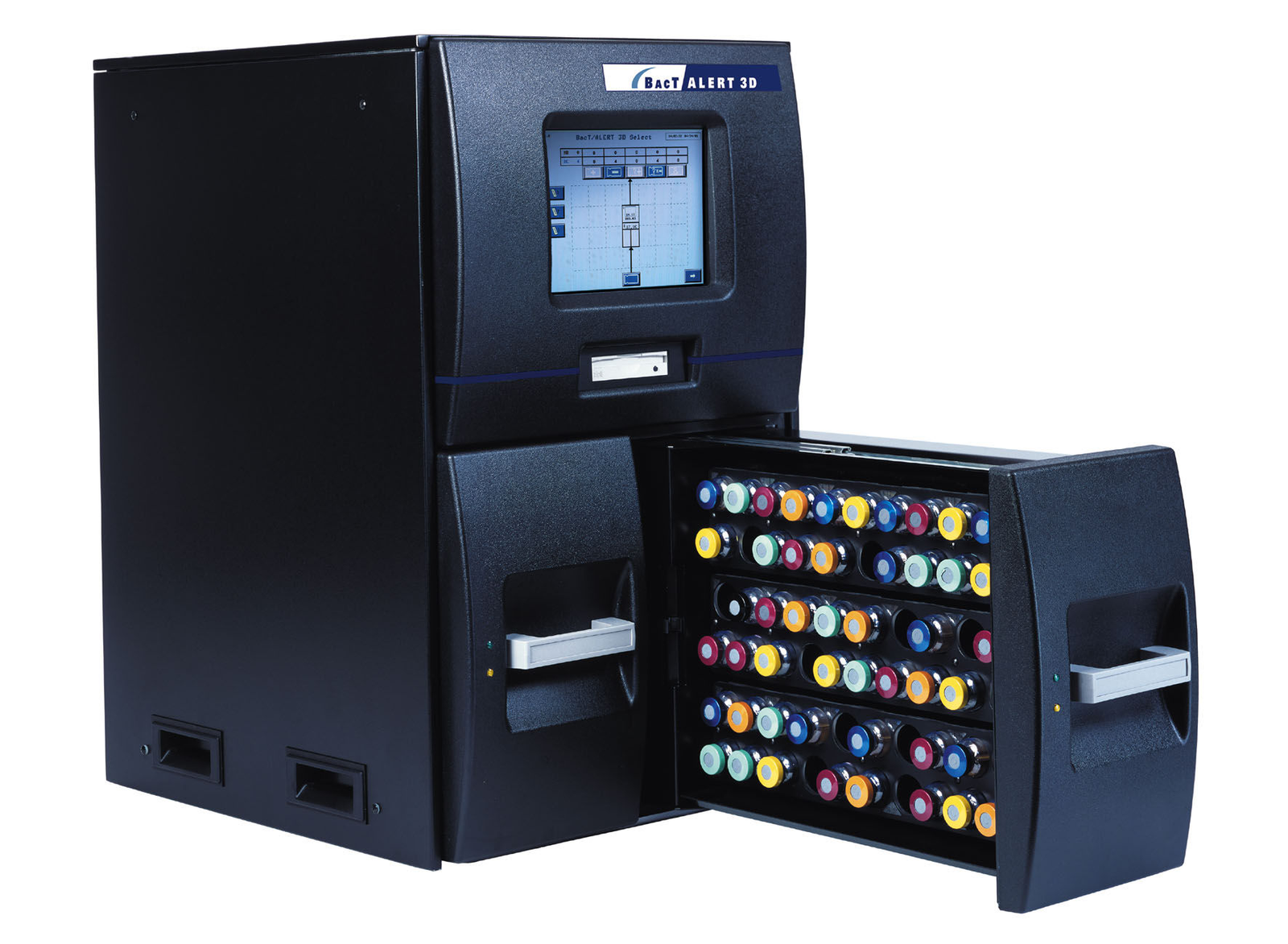
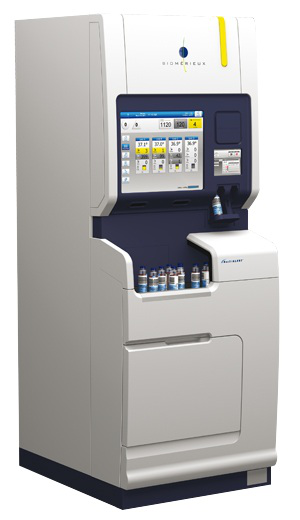
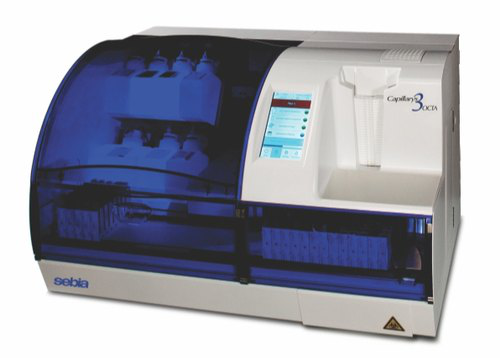
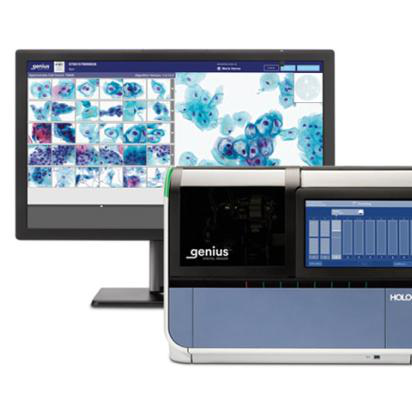
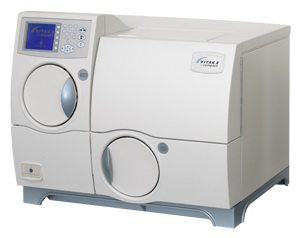
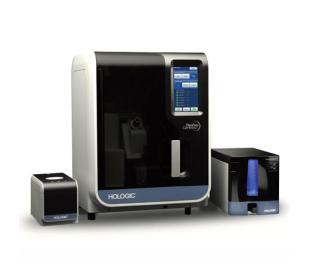
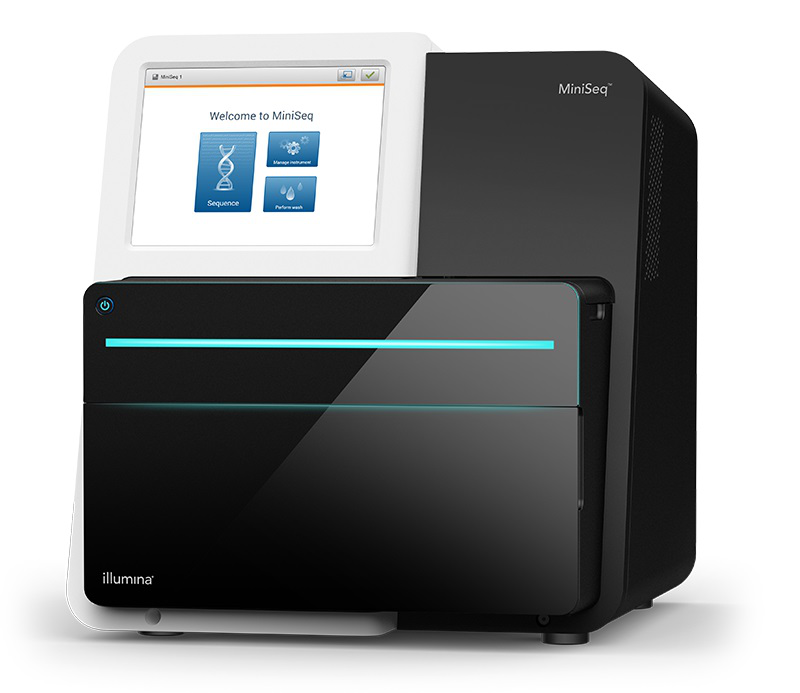
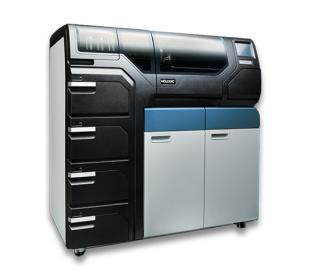
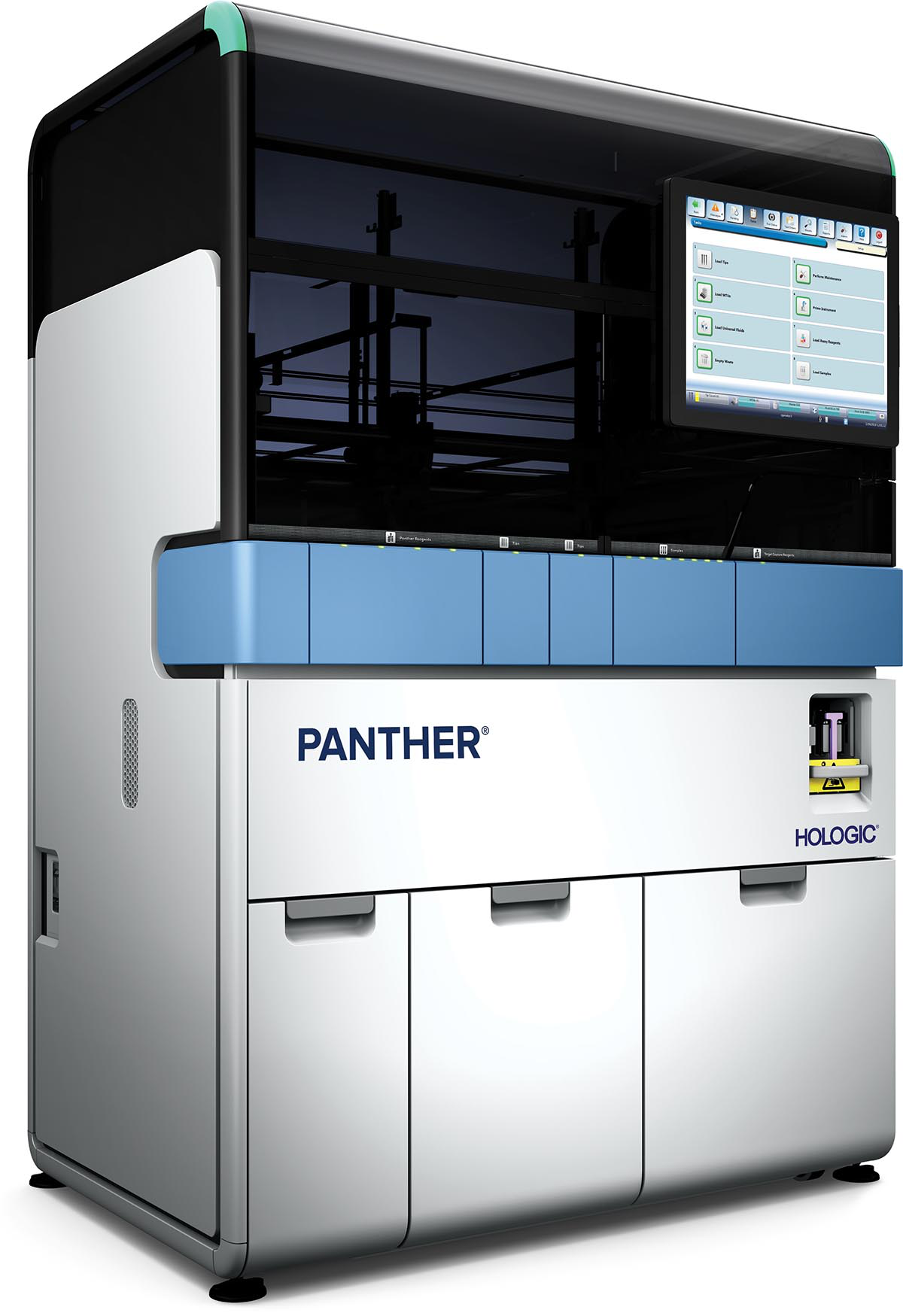
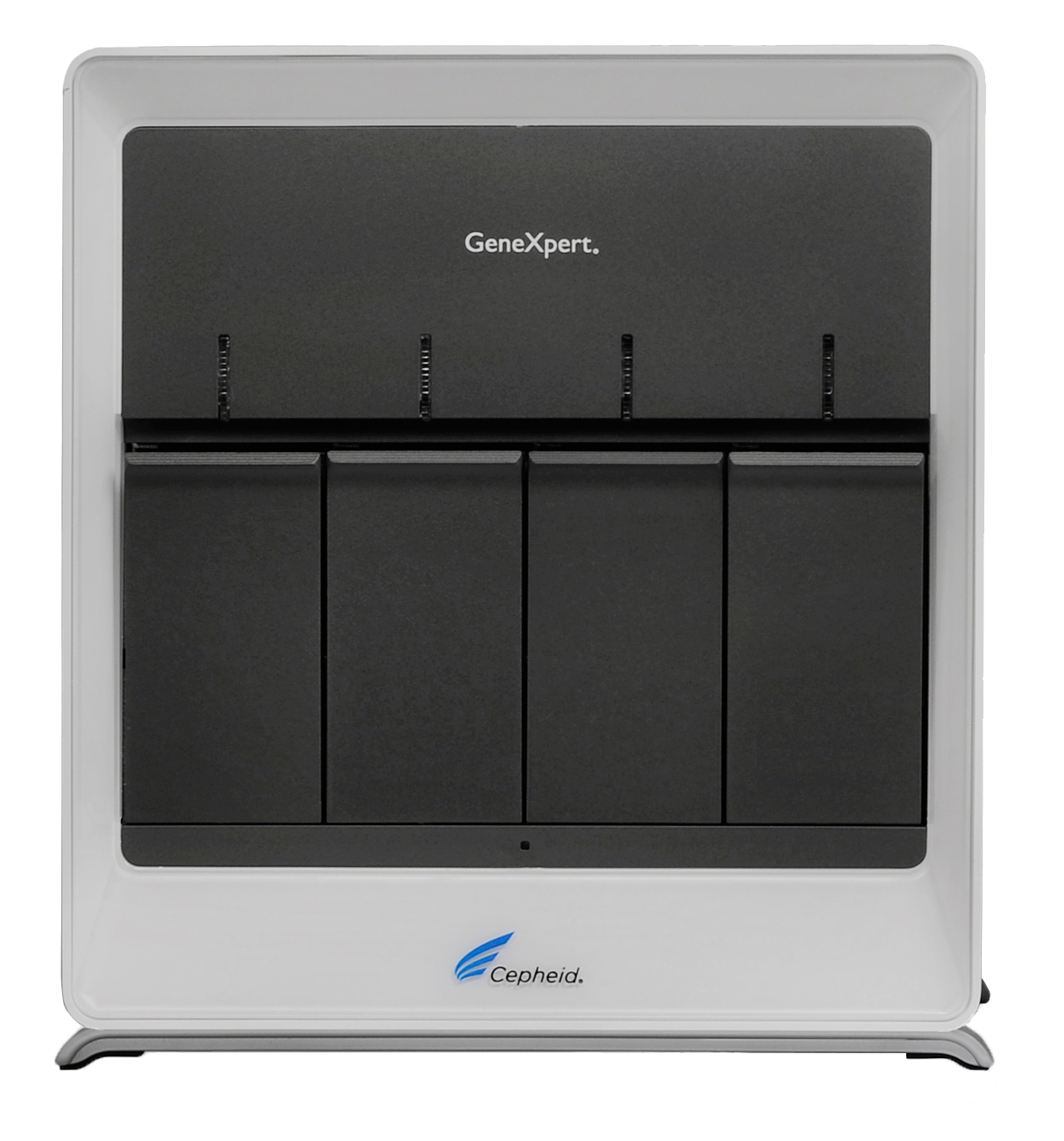
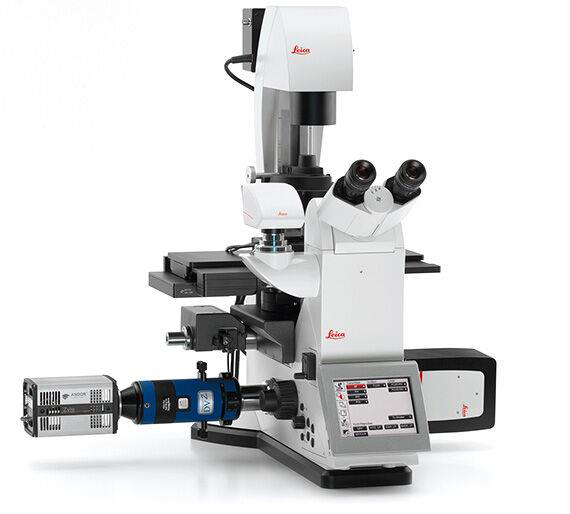
Clinical chemistry analysers and assays are used to measure specific chemicals and biomarkers in biological samples, helping diagnose diseases and monitor organ function. These systems can perform a wide range of routine and specialized tests.
A powerful and reliable benchtop immunoassay analyzer featuring a space-saving design, user-friendly features and a complete menu of more than 50 tests
Specification | Details |
Analytical method | Fully automated, random-access clinical chemistry system with STAT capability |
Analytical principles | Spectrophotometry and potentiometry |
Assay types | Endpoint, rate, fixed point and indirect ISE |
Analytical method | Colorimetry, turbidimetry, latex agglutination and indirect ISE |
Chemistry menu capacity | >135 preprogrammed, photometrics currently available (including LIH + HbA1c (Thb, HbA1c + HbA1c%) and ISE) |
Throughput | · 400 photometric tests per hour, up to 800 with ISEISE · maximum test per hour: 600 if ISE only · HbA1c maximum tests per hour: 65 if HbA1c only |
Sample types (assay dependent) | Serum, Plasma, Urine, CSF, Whole blood |
Sample management/capacity | · 168 sample tubes (24 racks of 7 tubes), unique continuous loading feature · Refrigerated STAT carousel: 22 samples can be run simultaneously (cal, QC and routine samples) |
Sample container sizes | Primary and secondary tubes: diameter between 11.5 mm and 16 mm; height between 55 mm and 102 mm; nested micro cups and sample cups |
Sample volume | 1.0 μL–25 μL in 0.1 μL increments (assay dependent) |
Sample Barcode symbology | NW7, EAN13, CODE 39, CODE 128, ISBT-128, 2 of 5 standard, 2 of 5 interleaved mixed readable (max. six types at the same time, except if using ISBT-128) |
Compartment temperatures | · STAT wheel: 39.2°F to 50°F (4.5°C to 12°C) · Reagent compartment: 39.2°F to 50°F (4.5°C to 12°C) |
Reagent storage capacity | 76 positions in a single reagent carousel (refrigerated between 39.2°F (4°C) and 53.6°F (12°C); bottle sizes: 15 mL, 30 mL, 60 mL) |
Barcoded reagents | Automatic tracking of: Available tests, Expiration date, Lot number |
Reagent volume | 10 μL–250 μL (1 μL increments) |
Total reaction volume | 90 μL–350 μL |
Reaction cuvette | Permanent glass cuvettes |
Reaction time | Up to 8 minutes, 37.5 seconds |
Reaction temperature | 98.6°F ± 0.5°F (37°C ± 0.3°C) |
Reaction incubation method | Dry bath |
Photometric range | 0 OD–3.0 OD |
Wavelength | 13 different wavelengths between 340 nm and 800 nm |
Automated sample pre-dilution | Repeat run with increased or decreased sample volume or sample pre-dilution (1, 3, 5, 10, 15, 20, 25, 50, 75, up to 100 times) |
Sample quality analysis | · Lipemia, hemolysis and icterus indices · Clot detection and probe crash protection |
Calibration | · Calibration curve stability up to 90 days (assay dependent) · Calibrator value assignment by 2D barcode · Calibration curves and parameters displayed on screen |
Quality control | · Shewhart day-to-day management (Levey-Jennings method) · Multi-rule control (Westgard method) |
Reflex testing | User-defined |
Calculated result | · Pre-defined for the commonly used calculations · User-defined |
Where Flexibility Drives Productivity
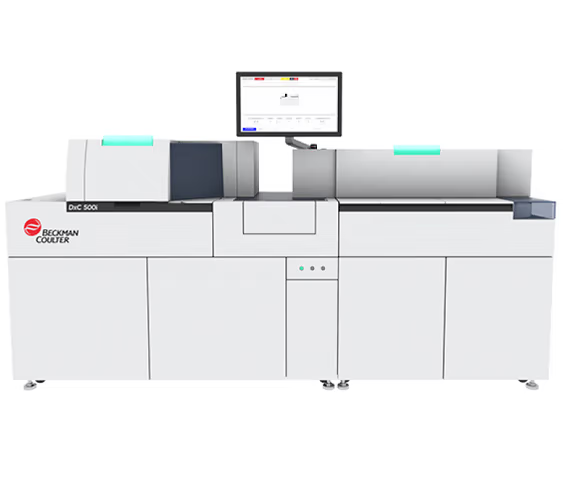
Meet your partner for integrated testing with a simplified workflow. The space-saving DxC 500i Clinical Analyser delivers high-quality chemistry and immunoassay results you can trust for your low-volume lab.
Specification | Details |
Analytical method | Fully automated, random-access integrated system with clinical chemistry and immunoassay modules |
Analytical principles | Spectrophotometry, potentiometry, and chemiluminescence |
Assay types | · Chemistry: Endpoint, rate, fixed point, indirect ISE · Immunoassay: Competitive assay, Sandwich assay, and Antibody detection assay |
Analytical method | · Chemistry: Colorimetry, turbidimetry, latex agglutination, and indirect ISE · Immunoassay: Paramagnetic coated antibody/antigen |
Chemistry menu capacity | >170 preprogrammed assays currently available |
Throughput | 400 photometric tests per hour, up to 800 with ISE100 immunoassay tests per hour (one-step assays) ISE maximum test per hour: 600 if ISE onlyHbA1c maximum tests per hour: 65 if HbA1c only |
Sample types (assay dependent) | Serum, plasma, urine, CSF, whole blood, and amniotic fluid |
Sample management/capacity | 168 sample tubes (24 racks of 7 tubes), unique continuous loading feature Independent analysis: Chemistry: 22 samples in refrigerated STAT carousel Immunoassay: 60 samples in 6 carousel racks |
Barcoded reagents | Automatic tracking of: available tests, expiration date, lot number |
Sample container sizes | Sample tubes: · 13 × 75 mm, 13 × 100 mm, 16 × 100 mm · Sarstedt S-Monovette 4.9 mL, 5.5 mL, 7.5 mL · Cups/insert cups: · 0.5 mL, 2.5 mL, 3.0 mL cups1.0 mL, 2.0 mL insert cups, pediatric insert · Auto aliquot |
Sample volume (assay dependent) |
· Chemistry: 1.0–25 μL in 0.1 μL increments (assay dependent) · Immunoassay: 10–110 μL |
Sample barcode symbology | Codabar (NW-7), CODE 39, CODE 128, ISBT-128, Interleaved 2 of 5 |
Compartment temperatures | Chemistry: · Chemistry reagent compartment: 39.2°F to 53.6°F (4°C to 12°C) · STAT wheel: 39.2°F to 53.6°F (4°C to 12°C) · Cuvette wheel: 98.6°F ± 0.5°F (37°C ± 0.3°C)
Immunoassay: · Reagent compartment: 33°F to 41°F (1°C to 5°C) · Maintains air and reagent temperature at 37.4°F to 50°F (3°C to 10°C) · Incubator and wash/read wheel: 97.5°F ± 0.5°F (36.4°C ± 0.3°C) |
Reagent storage capacity | · Chemistry: 76 positions in a refrigerated reagent carousel that holds 15 mL, 30 mL, and 60 mL bottle sizes · Immunoassay: 24 positions in refrigerated reagent carousel |
Reaction cuvette | · Chemistry: Permanent glass cuvettes · Immunoassay: Disposable reaction vessels |
Sample quality analysis | · Lipemia, hemolysis, and icterus indices · Clot detection and probe crash protection |
Calibration (assay dependent) | · Chemistry: calibration curve stability up to 90 days · Immunoassay: calibration stability up to 63 days · Calibration curves and parameters displayed on screen · Calibrator setpoint entry through barcode scan |
Quality control | Shewhart day-to-day management (Levey-Jennings method) Multi-rule control (Westgard method) |
Dimensions and weight | Analyzer with monitor: · Weight: Dry, 1,430 pounds (<650 kg) · Length: 100 in (254 cm) · Height: 48.8 in (124 cm) · Height with monitor: 63.0 in (160 cm) · Depth: 30.3 in (77 cm) |
Clearance Requirements | Clearance around the analyzer for ventilation: · Rear: minimum of 24 in (64 cm) · Left: minimum of 20 in (50 cm) · Right: minimum of 20 in (50 cm) · Front: minimum of 25 in (63.5 cm) · Top (from the top of the chemistry analyzer): Minimum of 49 in (124 cm) |
Waste requirements | Chemistry module drain location: · Maximum distance: 33 ft (10 m) from the system · Maximum height: 5 ft (1.5 m) from the floor Chemistry module drain volume: · Concentrated waste: 5.5 L/hour (normal), 7.5 L/hour HbA1c · Diluted waste: 12 L/hour Immunoassay module drain location: · Maximum distance 9.8 ft (3 m) from the system · Maximum height 3 ft (0.9 m) from the floor
Immunoassay module drain volume:1 L/hour Immunoassay module solid waste (RVs): RVs collected in RV waste bag (300 RV capacity) |
Water supply requirements | Maximum water consumption: 20 L/hour Water type: Deionized CAP type II or better, bacteria free Continuous flow supply Resistivity: > 0.5 MΩ∙cm filtered with a 0.5 μm filter |
Power and environmental requirements | Power supply: 200V, 208V, 220V, 230V, 240V, 50/60Hz, 3.5kVA |
Computer | · Storage: 960GB SSD · Operating system: Windows 10 · External communication types: RS232 serial interface · Ethernet: LAN using TCP/IP |
Monitor | Touchscreen display: 21.5 in (54.6 cm) diagonal TFT LCD with projected capacitive touch Pixels: 1920 × 1080 RGB |
Operating environment | · Ambient temperature: 64°F to 82°F (18°C to 28°C) · Humidity: 20% to 80% RH (without condensation) · Altitude: Maximum 2,000 m (6,561 ft) above sea level · Noise level: <75 dBA |
Communication modes | Serial or TCP (1 or 2 physical) connection to LIS per ASTM protocol |

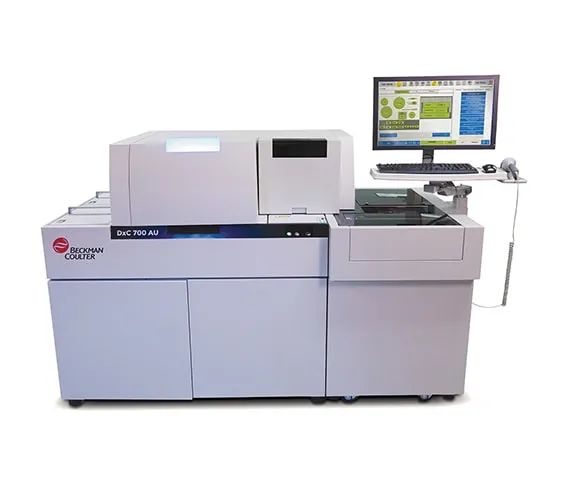
Get the right results at the right time with one system. The DxC 700 AU clinical chemistry analyzer is the latest innovation in a line of reliable chemistry systems for the mid- to high-volume laboratory. The DxC 700 AU combines the best-loved (and time-tested) features of the popular DxC and AU series of clinical chemistry analyzers. This powerful combination delivers maximal uptime, high reliability, and precise performance.
Specification | Details |
Photometric Throughput with ISE (tests/hour) | 800/1,200 with ISE |
Number of Onboard Assays with ISE | 63 |
Sample Volume (µL) | 1.0–25.0 |
Sample Load Capacity (Routine/STAT) | 150 (15 racks × 10 samples),22 samples by carousel |
Clot Detection and Auto-clearing (Mechanism) | Yes |
Open Channel Capability | Yes |
Software | Windows 1.0 |
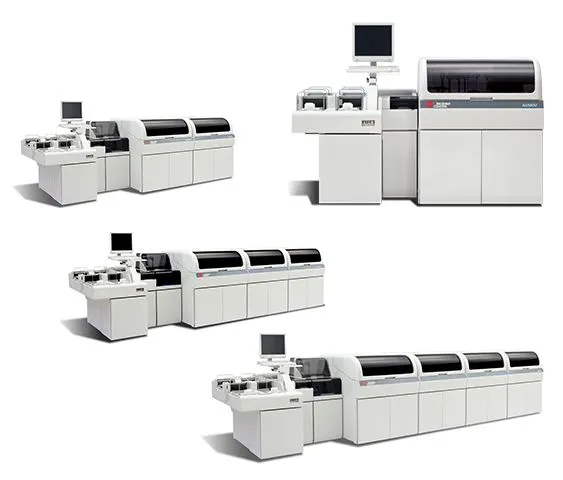
Give your high- and ultra high-volume core laboratory a performance boost. Clinical chemistry analyzers in the AU5800 series are the fastest in the industry, processing up to 2,000 tests per hour with a full menu of assays, including Therapeutic Drug Monitoring (TDM) and Drugs of Abuse. Increase lab productivity with continuous operation, powerful throughput and scalable capacity up to four modules.
Compact, reliable and cost-effective
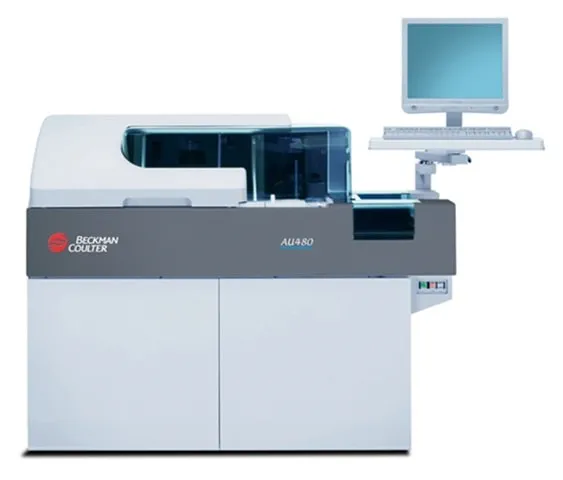
Put the power of versatility to work for your lab with a smart and efficient clinical chemistry analyzer solution. The AU480 chemistry analyzer is the ideal primary clinical chemistry analyzer for low- to mid-volume hospitals and laboratories, or dedicated specialty chemistry or STAT analyzer for larger laboratories. With throughput of up to 400 photometric tests per hour (up to 800 with ISEs), increased onboard testing, reduced sample volume and easy operation, the AU480 delivers efficiency for laboratories around the world.
Specification | Details |
Analytical System | Fully automated, random access chemistry system with STAT capability |
Analytical Principle | Spectrophotometry and potentiometry |
Analytical Types | Endpoint, rate, fixed point and indirect ISE |
Analytical Methods | Colorimetry, turbidimetry, latex agglutination, homogeneous EIA, indirect ISE |
Simultaneously Processed Analytes | 60 photometric tests + 3 ISE, 120 pre-programmed onboard tests |
Throughput | 400 photometric tests/hour; maximum of 800 with ISE |
ISE Throughput | 200 samples/hr. Maximum tests/hr: 600 if ISE only |
Sample Types | Serum, plasma, urine, other |
Sample Feeder | Racks with 10 samples each (barcodes on primary tubes and on racks); capacity of 80 samples; continuous loading |
Sample Tubes | Primary and secondary tubes; diameter from 11.5 to 16 mm; height from 55 to 102 mm, nestled micro sample cups |
STAT samples | Up to 22 positions for STAT samples via cooled turntable. Easy-to-operate interrupts between tests. Auto-repeat run capability. |
Sample Volume | 1–25 μl in 0.1 μl steps (1–25 μl for repeats) |
Reagent Capacity | 76 positions for (R1+R2, detergent position). Holds 15, 30 and 60 ml bottles. |
Reagent Storage | Refrigerated (4–12°C) |
Reagent Volume | R1: 10–250 μl; R2: 10–250 μl (in 1 μl increment) |
Total Reaction Volume | 90–350 μl |
Reaction Cuvette | Permanent glass cuvettes |
Reaction Time | Up to 8 minutes, 37.5 seconds |
Reaction Incubation | 37°C, dry bath |
Photometry System | Direct assay through the reaction cuvette (0–3.0 OD) mono and bichromatic measurements possible |
Wavelength | 13 different wavelengths between 340–800 nm |
Calibration | Auto calibration, cooled calibrator positions; master calibration established by two-dimensional barcode |
Quality Control | Auto QC, cooled QC positions |
Rerun | 1. Auto rerun and manual rerun available2. Automatic sample increase, decrease or normal repeat3. Reflex testing |
Sample Pre-dilution | Dilution ratio: Fixed to 3, 5, 10, 15, 20, 25, 50, 76 or 100 |
Test Requisition | Individual and profile test requisition via online, mouse, function keys and touch-screen |
Sample Integrity | Lipaemia, Haemolysis and Icterus analysis. Sample clot detection and probe crash protection. |
Online | RS232C. Full uni- and bidirectional communication possible. |
Software | Windows 7® |
Data Storage | Sample number: 100,000 samples. Reaction Data: 200,000 tests. |
Dimensions (W × H × D) | ANL: 1450 mm × 1205 mm × 770 mm |
Power Supply | 100–240 V; 60 Hz / < 3.5 kVA |